
We all know it – The bicycle and its health benefits
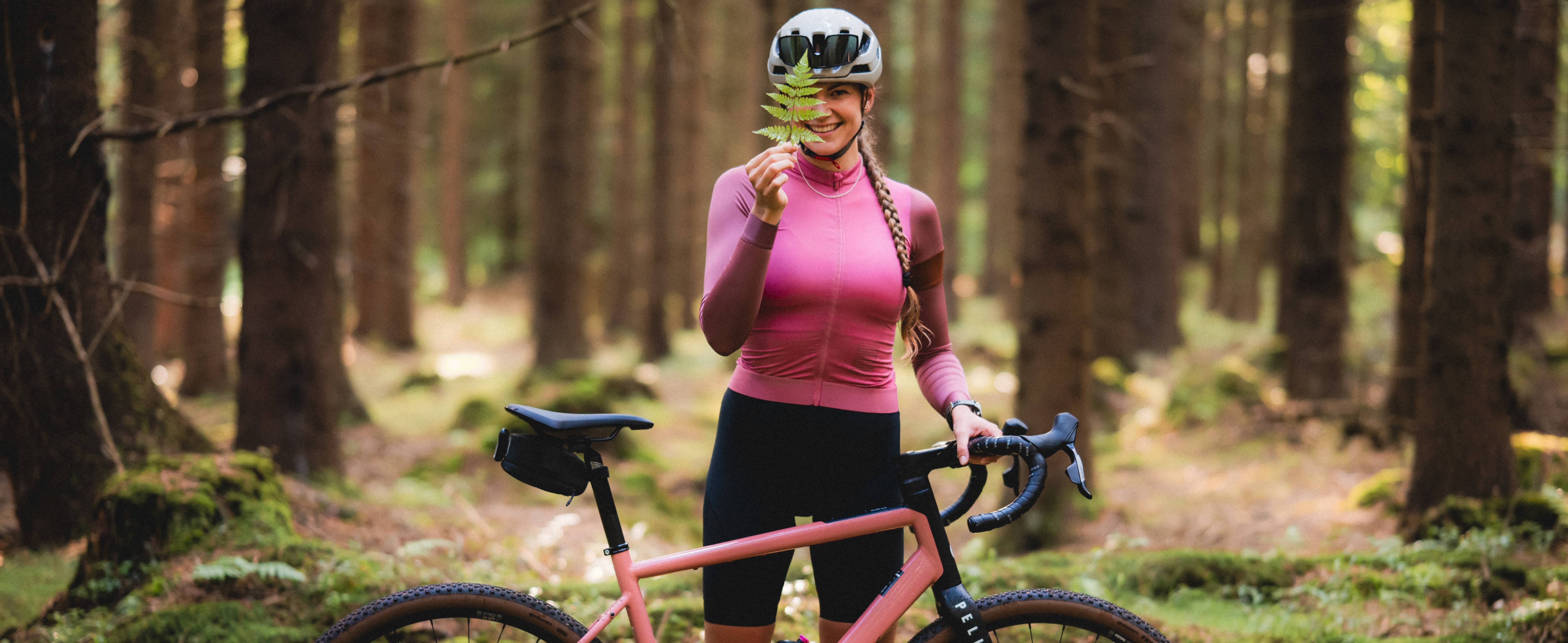
Regular cycling reduces: the risk of developing type 2 diabetes by up to 50%, the risk of premature death by 41%, the risk of heart disease by 46%, the risk of cancer by 45%, the risk of mental disorders by 20%, and the risk of Alzheimer’s disease by up to 40%. Oh, and it also extends life expectancy by 3–5 years.
Do you remember him too?
The person you used to see in your childhood, riding a bike everywhere? You never saw him in a car. He was already around 80 back then. And when you meet him now, as an adult, he’s still riding a bike and looks exactly the same. Why?
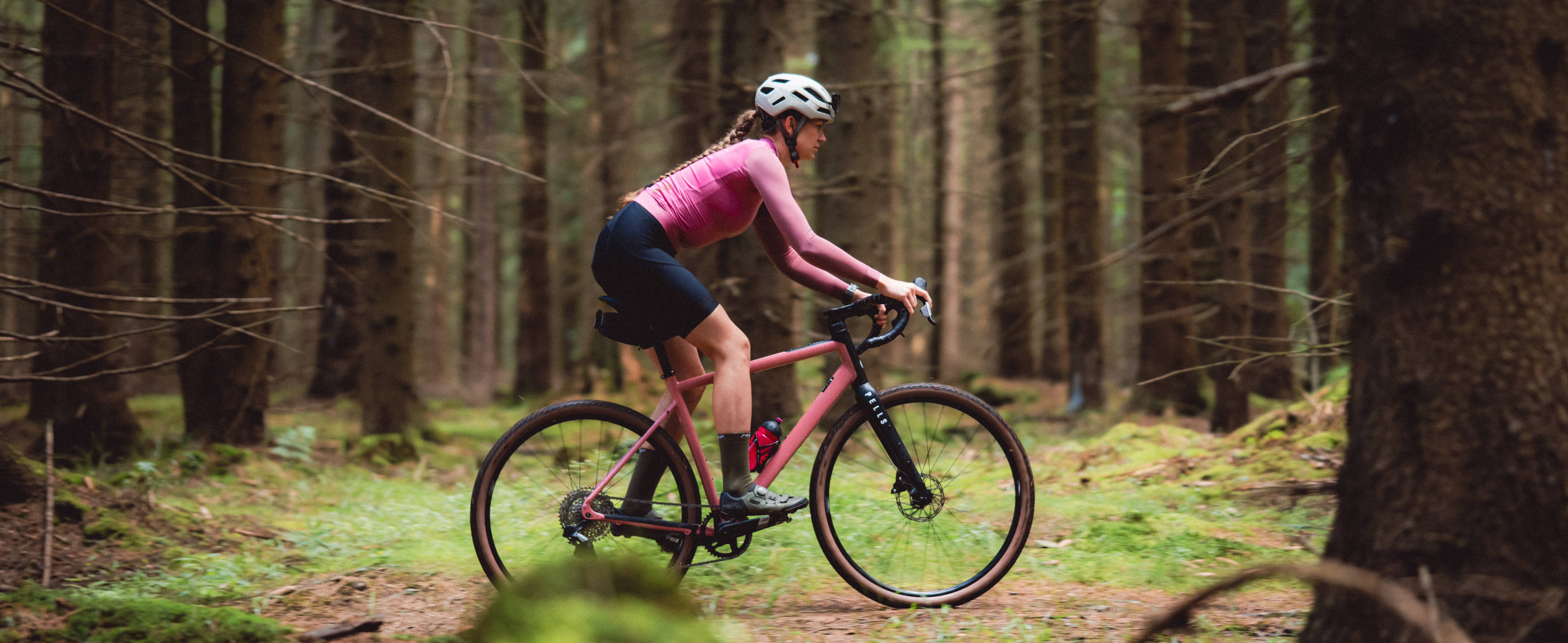
Most likely he’s still riding because he enjoys it. And more than that. It keeps him fit. Not only physically. But mentally too. His brain and body simply age more slowly. Solid benefits. Just from hopping on a bike for a few kilometers to work or an afternoon trip to the store…
Want some numbers?
First, let’s look at the scary numbers. Maybe they’ll get you off the couch:
- According to WHO, 62% of men and 46% of women in the Czech Republic are overweight, with 26% of men and 20% of women being obese.
- Childhood obesity is also on the rise – about 20% of children aged 11–15 are already overweight.
When you translate that to the whole population, it means that almost every second Czech is overweight…
Maybe I scared you a little. But let’s turn the page and look at some positive motivation instead:
- Regular cycling reduces the risk of developing type 2 diabetes by up to 50%.
- Just 150 minutes of moderate cycling per week (about 3–4 shorter rides) has a proven effect on weight and health.
- Regular cycling reduces the risk of premature death by 41% (Glasgow study, 2017).
- Regular cycling reduces the risk of heart disease by 46% (Glasgow study, 2017).
- Regular cycling reduces the risk of cancer by 45% (Glasgow study, 2017).
- Regular cycling extends life expectancy by 3–5 years (Copenhagen City Heart study).
Not bad, right? As the classic saying goes: “And it’s such a simple thing. Just ride your bike a few times a week…”
And what about your mind?
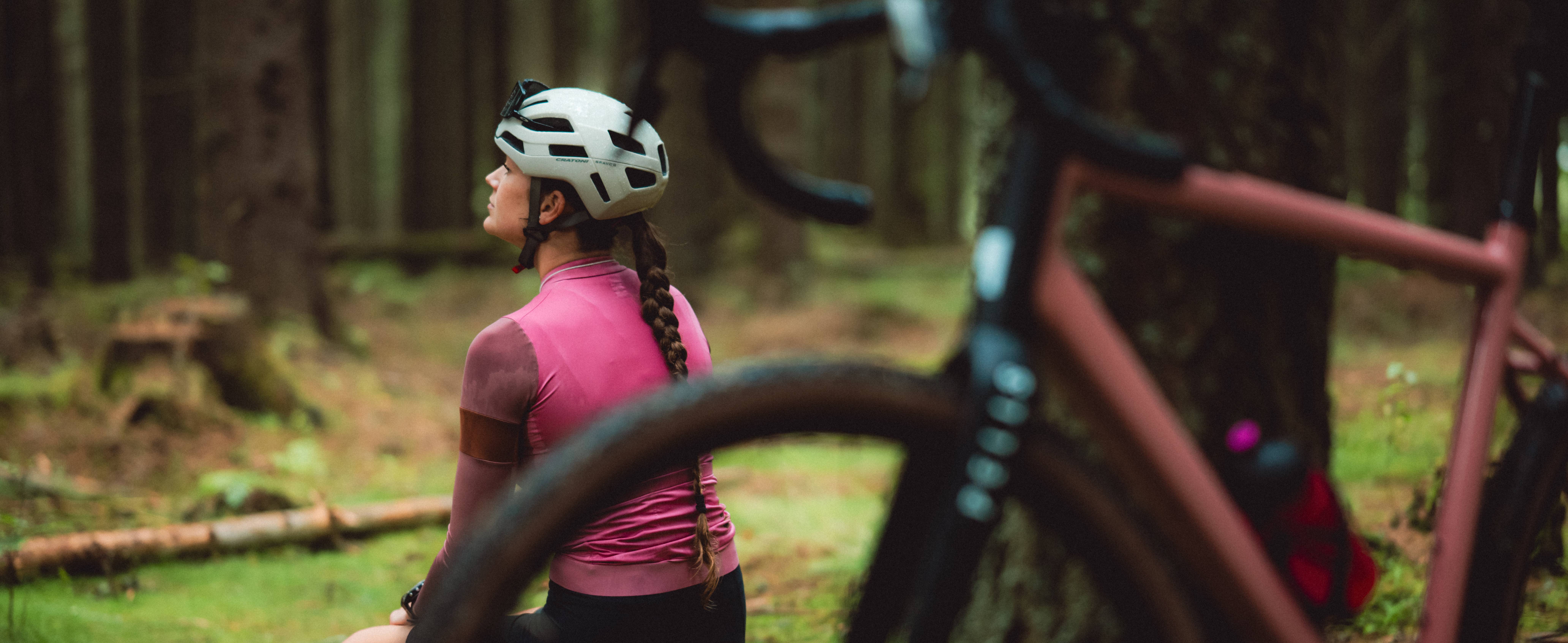
All these studies focused exclusively on physical health, diseases, and obesity. But cycling is also an elixir for the mind.
- Regular commuting to work by bike reduces the risk of mental disorders by 20% (UK study, 2024).
- Regular bike commuting can reduce “bad mental health days” by 21.6% (The Lancet Psychiatry, 2019).
- Regular cycling reduces the risk of Alzheimer’s disease by up to 40% (JAMA Network Open).
On the other hand, the mind is always the trickiest. Regular activity that becomes a habit, and then gets interrupted for some reason, can also cause sadness and emptiness. You simply feel something’s missing. So my advice: never stop, if possible :-)
Motivation and consistency are key
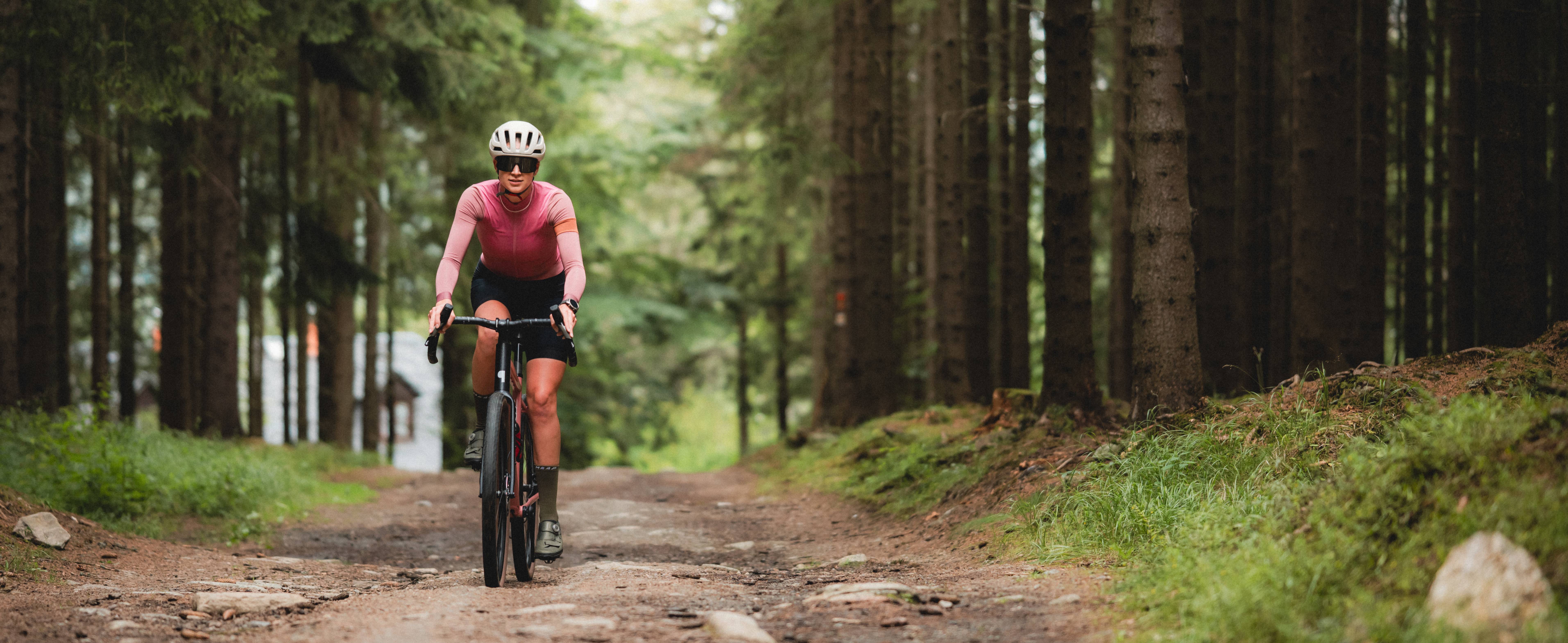
You may already be motivated from the previous paragraphs. So how do you start to make movement truly beneficial? Don’t push too hard. If you go for a ride, remember, you’re not a Tour de France rider.
Start slow. You should feel that you can still talk while riding. That’s a sign that your heart rate is low, in the right zone for burning fat and strengthening your cardiovascular system. Try to make your rides longer than 30 minutes so your body realizes something is happening and activates all the right processes.
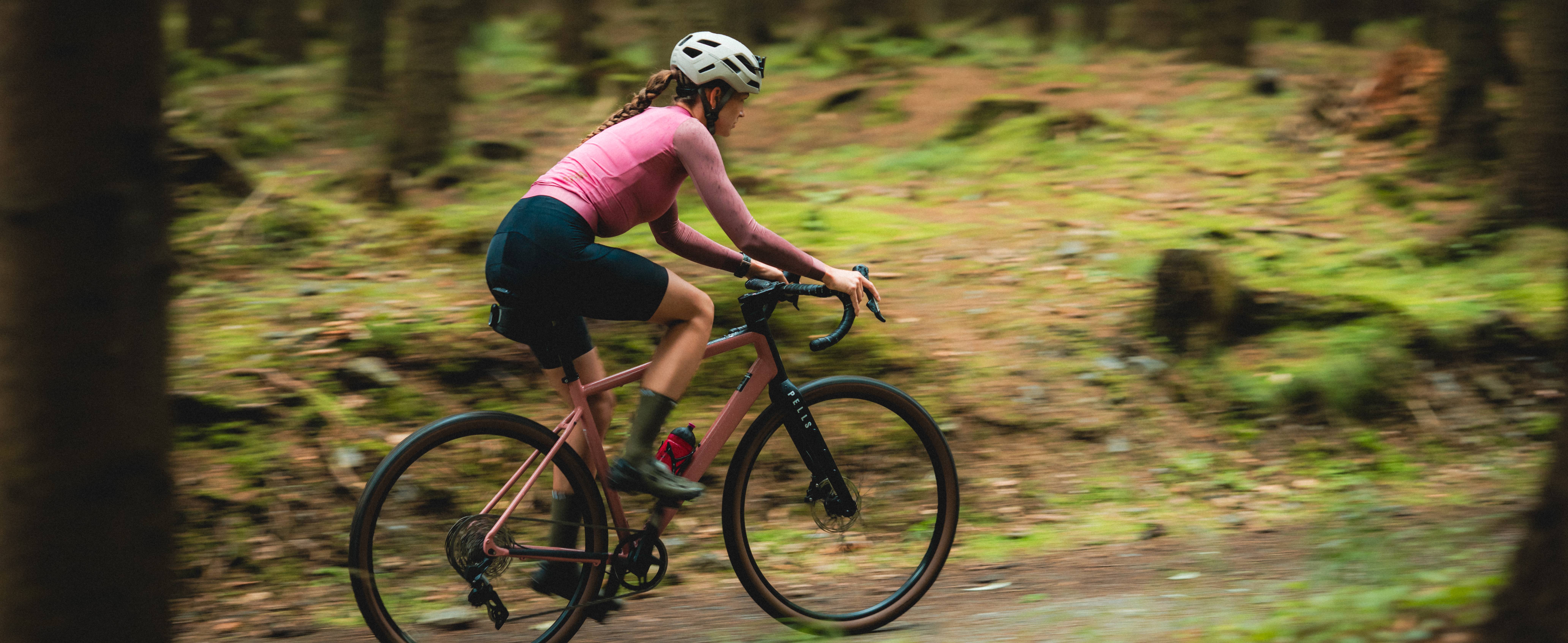
Make riding a habit. Whether it’s commuting to work or intentional rides. Pick a day and time that suits you and go out regularly. At home, they’ll get used to the fact that you’re simply not there at that time.
Trust me. You’ll enjoy the time for yourself. You’ll strengthen your body and benefit not only in sports performance, but also in everyday life. Your overall energy, joy, and vitality will rise.
And if you get bored of riding around your neighborhood, to work, or to the store, head out for an adventure in the mountains. Into the forest. A little connection with nature never hurts.
Exercise = Health
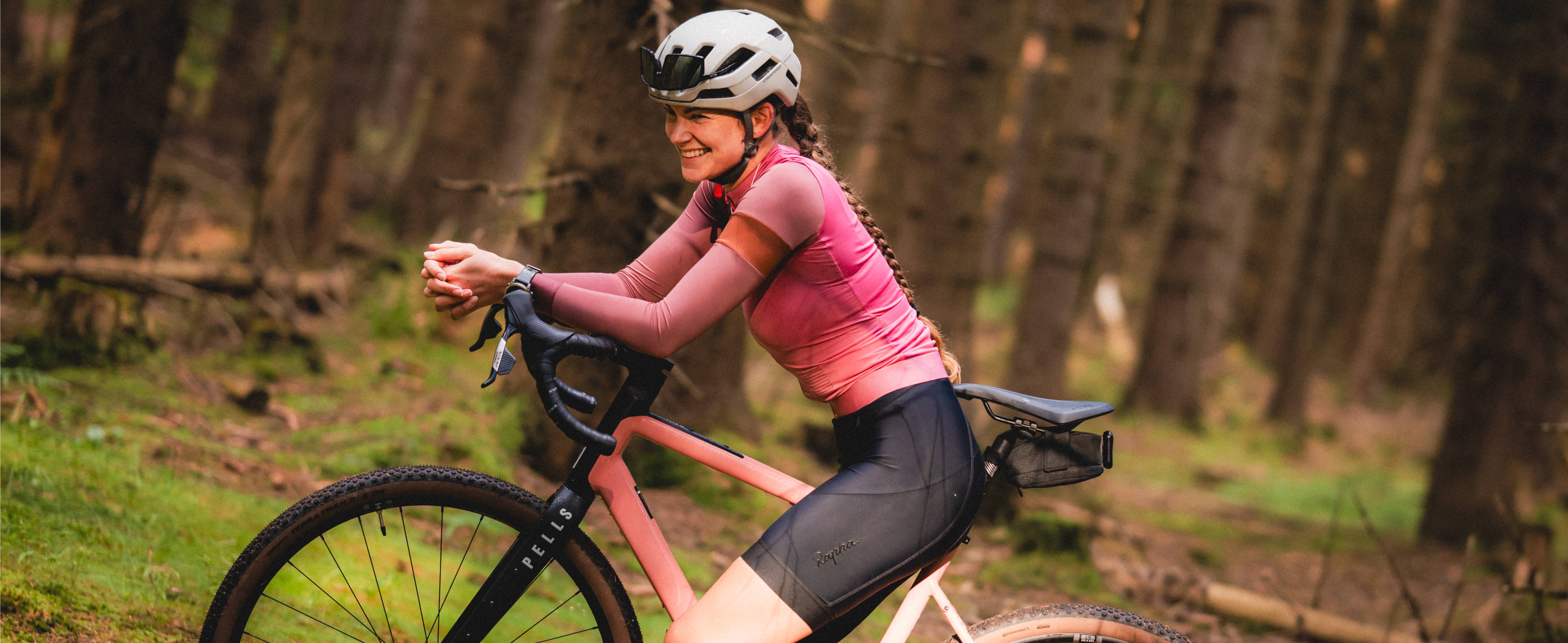
Unfortunately, it’s not as simple as that equation. But one thing is certain: if you move, you’re investing in a better and higher-quality life that sport can offer you.
So: find joy. Stay connected with yourself, with nature, and enjoy every moment. Not just the ones spent exercising.